George Antigua: A Handwritten Script Font for Crafters and Product Makers
If you make things with your hands—whether that means designing printable wall art, cutting vinyl for custom mugs, or printing labels for your handmade candles—you know how much the right typeface can make or break a product. George Antigua is a classic and playful handwritten script font that brings warmth, charm, and a personal touch to everything it touches. It looks like something you might have written yourself with a favorite pen, but with all the polish and consistency that modern typography demands. For crafters, Etsy sellers, and small shop owners, this font is a versatile tool that can elevate product lines without screaming for attention. Let me walk through how George Antigua can become a staple in your creative workflow.
What Makes George Antigua Stand Out
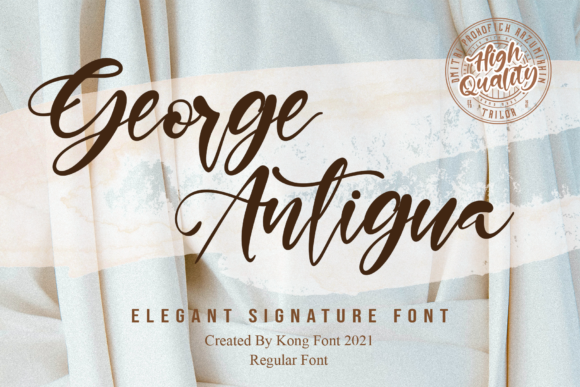
George Antigua has a relaxed, friendly personality that strikes a balance between being polished and approachable. It is neither too rigid nor too messy. The strokes have a natural flow, with just enough variation in weight to feel hand-drawn, yet consistent enough to look professional on a product label or a greeting card. The playful loops and slightly bouncy baseline give it movement without sacrificing readability. This makes it especially useful for craft projects where you want the text to feel inviting and personal, but still clear enough for customers to read at a glance.
Because it is a script font, George Antigua shines in short phrases, names, titles, and decorative wording. It is not designed for long paragraphs of body text, but that is exactly what makes it so valuable for product packaging, logos, and signage. When you place a product name or a tagline in George Antigua, it immediately carries a handmade feel that resonates with buyers looking for something authentic.
Practical Craft and Product Applications
George Antigua works beautifully across a wide range of physical and digital products. Here are some of the most effective ways you can put it to use in your own shop or studio.
Handmade Labels and Product Packaging
Customers often judge a product by its label before they ever experience the product itself. Whether you are selling small-batch candles, handmade soaps, gourmet food items, or essential oil blends, George Antigua adds a warm, artisanal feel to your packaging. Use it for product names, ingredient highlights, or short descriptions on jar labels, hang tags, and box inserts. The font's playful personality works especially well for farmhouse-style or rustic branding, but it can also complement modern minimal packaging when paired with clean lines and neutral colors.
Stickers, Decals, and Vinyl Projects
If you work with a cutting machine like a Cricut or Silhouette, George Antigua is a strong candidate for sticker sheets, die-cut labels, and vinyl wall decals. The letterforms are well-defined enough to cut cleanly at moderate sizes, though you will want to test smaller text to ensure the finer strokes weed properly. For names on water bottles, laptop decals, or car window graphics, this font brings a custom, hand-lettered look without requiring you to hire a designer. It is also excellent for planner stickers and bullet journal embellishments, where a personal touch is always appreciated.
Greeting Cards, Invitations, and Wedding Stationery
Greeting cards are one of the most natural homes for a handwritten script font. George Antigua works for birthday cards, thank-you notes, sympathy cards, and encouragement designs. For wedding stationery, use it on save-the-date cards, invitation suites, place cards, and welcome signs. The font has a romantic yet playful quality that fits both rustic barn weddings and more elegant, garden-style events. Pair it with a simple border or floral accent for a complete look.
Home Decor and Signs
Farmhouse signs, wooden quote boards, and framed wall art are perennial favorites among craft sellers. George Antigua gives these pieces a hand-painted look that feels authentic and lived-in. Use it for short quotes, family names, or seasonal phrases like "Gather," "Welcome," or "Happy Fall." Because the font is readable at medium to large sizes, it works well on canvas prints, metal signs, and wooden plaques. You can also use it for stencil-based projects if you simplify the design slightly for easier cutting.
Planner Pages and Digital Printables
For printable product creators, George Antigua adds visual interest to planner pages, to-do lists, habit trackers, and journal prompts. Use it for section headers, day labels, or decorative quotes. The font's playful energy keeps the pages feeling light and inspiring rather than sterile. It also works well on coloring pages, affirmation cards, and art prints where the text itself is part of the decoration.
T-shirts, Tote Bags, and Apparel
Screen printers and heat-transfer vinyl users will find George Antigua effective for apparel designs. Short phrases like "Coffee First," "Make Something," or "Kind Heart" look great in this typeface. Position the text on the chest or centered on a tote bag for a clean, modern look. As with any script font, keep the text size generous—around two inches tall or larger—to maintain readability and ensure the details show up well in printing.
How George Antigua Elevates Product Presentation
The font you choose sends a subtle signal to your customers about the quality and personality of your brand. A script like George Antigua suggests care, creativity, and a human touch. When customers see a product labeled with this typeface, they often perceive it as more artisanal and thoughtfully made, even if the product itself is simple. This emotional appeal can translate into higher perceived value and a greater willingness to pay. If you sell handmade goods, this kind of typographic warmth helps you stand out in a crowded marketplace where many sellers default to generic fonts.
Consistency across your product line matters too. When you use George Antigua for your logo, your label, your social media graphics, and your packaging, you build a cohesive brand identity that customers recognize. This familiarity builds trust and encourages repeat business. For Etsy sellers and boutique owners, brand consistency is one of the most effective ways to create a memorable shopping experience.
Readability and Practical Considerations
George Antigua is generally very readable for a script font, but like all script typefaces, it has limitations. Keep the following in mind when using it for physical products.
- Size matters: For small items like lip balm labels or tiny stickers, avoid using George Antigua for long words or small point sizes. Test the font at the actual production size before committing to a large run. Script letterforms need enough space to keep loops and connectors clear.
- Cutting machines: If you are weeding vinyl, choose a larger size to make the process easier. The thinner parts of the stroke may require extra care. Consider simplifying the design by removing any swashes or flourishes that might complicate cutting.
- Printing: When printing on paper or cardstock, George Antigua looks best on uncoated or matte surfaces where ink can settle naturally. Glossy papers may cause the ink to spread slightly, which could blur fine details. Run a test print first.
- Mockup previews: Before listing a product, create a mockup that shows the font at the actual size and on the actual material. This helps you catch readability issues early and ensures your customers see exactly what they are getting.
Font Pairing Ideas for George Antigua
Pairing George Antigua with a complementary typeface gives your designs more depth and structure. Here are a few pairings that work well in craft projects.
- Clean sans-serif: Use a simple sans-serif like Montserrat, Lato, or Open Sans for product descriptions, ingredients lists, or secondary information. The contrast between the playful script and the clean modern sans creates a balanced and professional look.
- Simple serif: A light or regular weight serif font, such as Lora or Merriweather, pairs well for more formal projects like wedding invitations or heritage-style packaging. The serif adds a touch of elegance without competing with the script.
- Bold display font: For attention-grabbing designs like sale signs, banner headers, or logo lockups, pair George Antigua with a bold display sans-serif like Oswald or Bebas Neue. Use the display font for the main headline and George Antigua for the accent phrase or tagline.
- All caps sans-serif: For product labels that need extra structure, use George Antigua for the product name and an all-caps sans-serif for subheadings like "Handmade in Small Batches" or "Net Wt. 4 oz."
When pairing fonts, keep the overall mood consistent. If your project is rustic and farmhouse, choose a pairing that feels warm and natural. If it is modern and minimal, go with a clean, geometric companion. The goal is to let each typeface do its job without overwhelming the other.
What to Check Before You Start Designing
Before you download and start using George Antigua, take a moment to review the included files and features. Most quality script fonts include a set of standard characters, but some also offer stylistic alternates, ligatures, or swashes that can give your designs a more custom look. If George Antigua includes these extras, experiment with them in your design software to find alternate letterforms that fit your project. Ligatures are especially useful for creating smoother connections between certain letter pairs, which can make the text look even more like natural handwriting.
Also check whether the font includes multilingual support if you plan to sell to international customers or use accented characters. Confirming the file formats—typically OTF and TTF—is important for compatibility with your design tools and cutting machine software. OTF files often include more typographic features, so they are generally preferred for professional use.
Licensing and Commercial Use
This is one of the most important considerations for any crafter or seller. George Antigua is listed under Freebies, which means you may be able to use it at no cost, but you must verify the specific license terms before using it on commercial products. Free fonts often come with restrictions, such as limits on the number of sales you can make using the font, or prohibitions on embedding the font in digital templates or SVG files. Some free fonts allow unlimited commercial use, while others require a paid license for any revenue-generating application.
If you plan to use George Antigua for physical products like candles, apparel, or signs, check whether the license covers merchandising. If you create digital products like printable planners, invitation templates, or SVG cut files, confirm that embedding the font in those files is allowed. For client work, such as designing a logo for a local business, make sure the license permits the transfer of usage rights. When in doubt, contact the font creator directly or purchase a commercial license to ensure you are fully covered. A small investment in the right license protects your business and respects the work of the type designer.
Final Practical Notes for Craft Sellers
George Antigua is a font that rewards a little experimentation. Try it in different contexts—on a kraft paper label, a chalkboard-style sign, a metallic foil invitation, or a simple cotton tote bag—and see how it responds to each material. Its playful yet classic personality adapts well, but it always retains that human touch that buyers look for in handmade goods.
When you build your product listings, include a mockup that shows the font clearly. Customers want to see exactly how the typography will look on the final item. A clean, well-styled mockup can be the difference between a browser and a buyer. Use George Antigua intentionally, pair it thoughtfully, and let its natural warmth speak for your brand.