Smitham: The Script Font for Thoughtful Product Design
The other afternoon, I found myself in the middle of a familiar craft studio dilemma. I had just finished pouring a new batch of soy candles, the scent of vanilla and sandalwood filling the room, and it was time to design the labels. I needed a typeface that could carry the weight of the brand name without feeling heavy. Something elegant, with a human touch, but legible enough to read at a glance on a small jar. That is when I pulled up Smitham on my design software and knew immediately it was the missing piece for my product line.
A Typeface with Genuine Personality
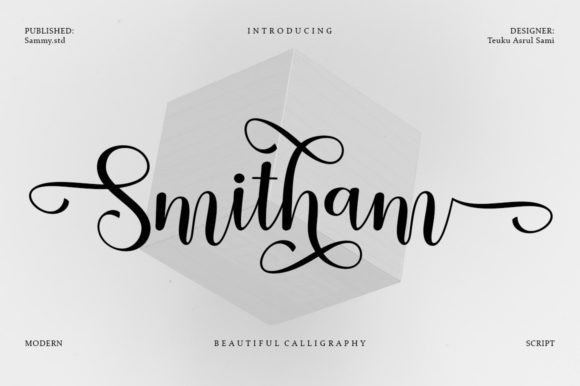
Smitham is a beautiful script typeface that feels both timeless and freshly hand-drawn. It belongs to the Script Amp and Fonts category, but its personality goes beyond simple classification. It has a graceful, flowing rhythm with delicate swashes and a natural variation in stroke weight that gives it an organic, almost inky texture. For a maker like me, it instantly elevates the perceived value of a product. It does not just say the words; it adds a layer of artistry to them. This is the kind of script font that makes text look like it was carefully penned with a high-quality fountain pen, yet it offers the reliability of a modern digital file.
First Hands-On Application: Labels and Boutique Tags
I started by setting the scent names in Smitham. The alternate characters and swashes, unlocked by its PUA encoding, allowed me to create a custom look for each fragrance. For a lavender candle, I used a relaxed, looping swash on the L. For a more modern charcoal and cedar label, I paired Smitham with a clean, thin sans serif font for the descriptive text. The result was a cohesive set of labels that looked sophisticated and expensive, but only required my cutting machine and a steady hand to apply.
Beyond candles, Smitham is a natural fit for boutique tags. Imagine a soft cotton tee with a small, heat-transferred logo or a hang tag tied with twine. The script adds a story to the garment. It tells the customer that this item was considered, designed, and crafted with care. This emotional anchor is something a standard blocky typeface simply cannot achieve. It turns a simple shirt into a branded experience.
Working with Swashes and Alternates
One of my favorite features of Smitham is the PUA encoding that gives you direct access to the swashes and alternates. This is crucial for a product maker because it allows you to avoid a generic look. I used it to create a unique logo for a line of artisanal soaps. By choosing different starting and ending swashes for each product variant, the branding felt cohesive yet custom. Just be mindful when preparing files for your Cricut or Silhouette. Welding the text carefully ensures those delicate swashes stay intact when cutting vinyl or HTV.
Smitham in Wedding and Event Stationery
If you design printable wedding invitations, Smitham is a typeface you will want to keep close. I tested it on a mock-up for a garden wedding suite. The couple’s names, set in Smitham, became the immediate focal point. The natural swashes added a romantic flourish without needing any additional clip art or illustration. It paired beautifully with a simple serif font for the ceremony details.
Beyond the main invitation, Smitham works perfectly for supporting pieces like welcome signs, seating charts, and thank-you cards. For a welcome sign, I used an enlarged Smitham title, which maintained its elegance and readability even at 18 by 24 inches. This versatility—looking just as good on a small sticker as it does on a large poster—makes it a valuable asset in any stationery designer’s toolkit.
Practical Production Notes for the Maker
Working with scripts in a production environment can be tricky. Swashes that look beautiful on screen might get lost when cut from vinyl or printed at a very small scale. Here are the practical observations I made while producing with Smitham:
- Readability on Small Formats: Smitham retains its legibility remarkably well. The open counters and consistent letterforms make it suitable for small product labels and stamps, unlike some overly ornate scripts that become a muddy blob at 12 point.
- Cutting Machine Compatibility: When setting up your file in Silhouette Studio or Cricut Design Space, make sure you are using the OTF version to access all the advanced typographic features. Always ungroup and weld your text to avoid tiny cut pieces falling away from the swashes.
- File Formats and Layers: Most commercial licenses will include both OTF and TTF files. I recommend using the OTF for design work and keeping the TTF as a backup for older software compatibility.
Expanding Your Product Line with Smitham
I found myself exploring new product avenues simply because I was excited to use this typeface. Tote bags with a simple phrase in Smitham felt instantly marketable for a farmhouse or boutique aesthetic. Birthday cards became elegant keepsakes. I even designed a small set of personalized cocktail napkins for a seasonal craft fair, using a subtle foil effect. The font’s ability to work across different mediums—paper, vinyl, fabric, and digital—makes it a sound investment for any creative business.
Smitham handles short phrases beautifully. It is a display font by nature, which means it shines in headlines, names, and short blocks of text. Using it for lengthy paragraphs could strain readability, but for the sweet spot of product design—product names, taglines, quotes, and titles—it is truly exceptional.
Digital Downloads and Printables
For those who focus on digital products, Smitham is a powerhouse. I used it to design a set of motivational quote prints. The script added a modern, hand-lettered feel that sells very well in the printable wall art category. For planner stickers, a short day header in Smitham adds a touch of luxury to an otherwise functional item. When creating mockups or listing images for your shop, the font itself becomes a design asset. A well-chosen typeface signals professionalism and taste to potential customers browsing online.
Font Pairing for Brand Consistency
To get the most out of Smitham, pairing it correctly is key. Because it has such a strong personality, it needs a supportive partner.
- With a Sans Serif: A clean geometric sans serif font works beautifully for ingredients, addresses, or pricing. The contrast is clean and modern.
- With a Simple Serif: For a more traditional or editorial look, pair Smitham with a subtle serif font. This combination is perfect for logo suites and upscale packaging design.
- Avoiding Competition: Avoid pairing Smitham with another highly decorative script font. They will fight for attention. Let Smitham be the star of your design.
Licensing and Commercial Use Considerations
Before you hit publish on your new design, it is vital to understand the licensing terms. Using Smitham in your handmade business requires a commercial license. The PUA encoding is great for accessing alternates, but it is a technical feature, not a license itself.
- Physical Products: Most standard commercial licenses cover using the font on physical items you sell, such as shirts, mugs, candles, and prints.
- Digital Products: If you sell editable templates or printables, you will likely need an extended license that allows embedding the font.
- Client Work: Using Smitham for a client’s logo or branding project is usually covered under a standard commercial license, but always confirm the specific terms with the foundry.
The best tools for a maker are the ones that spark new ideas and solve old problems. Smitham does exactly that for a small shop workflow. It bridges the gap between wanting a custom, hand-lettered look and the practical need for a reliable, functional digital file. Whether you are labeling a new candle, refreshing your shop branding, or building a custom wedding suite from scratch, Smitham offers a beautiful, professional voice for your work. It reminds us that great product design often starts with a single, well-chosen letter.